

The Philippine Charity Sweepstakes Office (PCSO) on Friday officially kicked off its one-year pilot run of E-Lotto.
This web-based betting platform offers convenient and accessible betting for Filipinos aged 18 and above, both within the country and abroad.
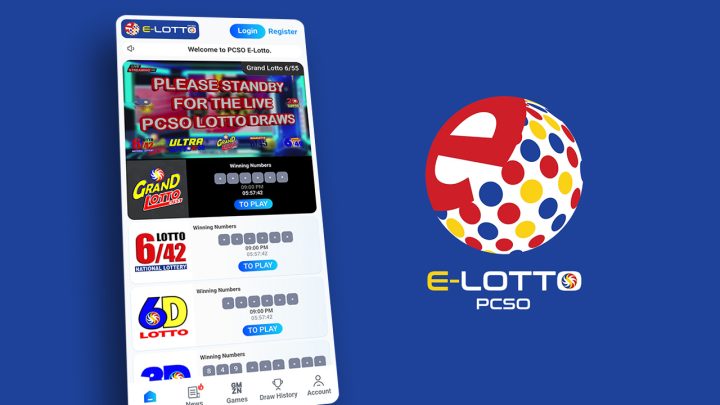
Bettors can register and place bets on the PCSO website using a Philippine government-issued ID and a local mobile number.
There’s also a mobile app, though it’s only for Android as of now. This app comes as an .apk file and can downloaded from the website via QR or via a dedicated link.
GCash is currently available as the initial top-up option for E-Lotto games, with plans to expand payment options in the future.
PCSO General Manager Mel Robles emphasized the potential of E-Lotto to revitalize lottery sales, which dipped significantly during the pandemic due to limited physical store access.
He also clarified that the agency doesn’t expect negative impacts on traditional betting, citing successful E-Lotto implementations in other countries.
Pacific Online Systems Corporation (POSC), the exclusive agent for the one-year pilot, assures users of a secure and reliable system.
“Our lotto system has a comprehensive security program in place. This is to protect player data from unauthorized data access or even disclosure,” explained Jackson Ongsip, POSC President.
“We have measures such as data encryption, access control, security audits, audit logs, network security, and data loss prevention.”
As a part of their “Handog Pakabog” Christmas program, PCSO raised the minimum jackpot prizes for two major games. Starting December 16, both Grand Lotto 6/55 and Ultra Lotto 5/58 will boast guaranteed minimum jackpots of P500 million.
PCSO emphasizes that proceeds from lotto draws directly fund crucial government charity programs—impacting areas like healthcare, education, and social welfare. By increasing the minimum jackpot prize, they aim to attract more players, translating into a significant boost for these initiatives.






Syndicate betting to crack the jackpot does raise concerns. It’s understandable why some countries might be cautious about e-lotto, especially if it facilitates this strategy. Perhaps regulations could be implemented to prevent such practices.