

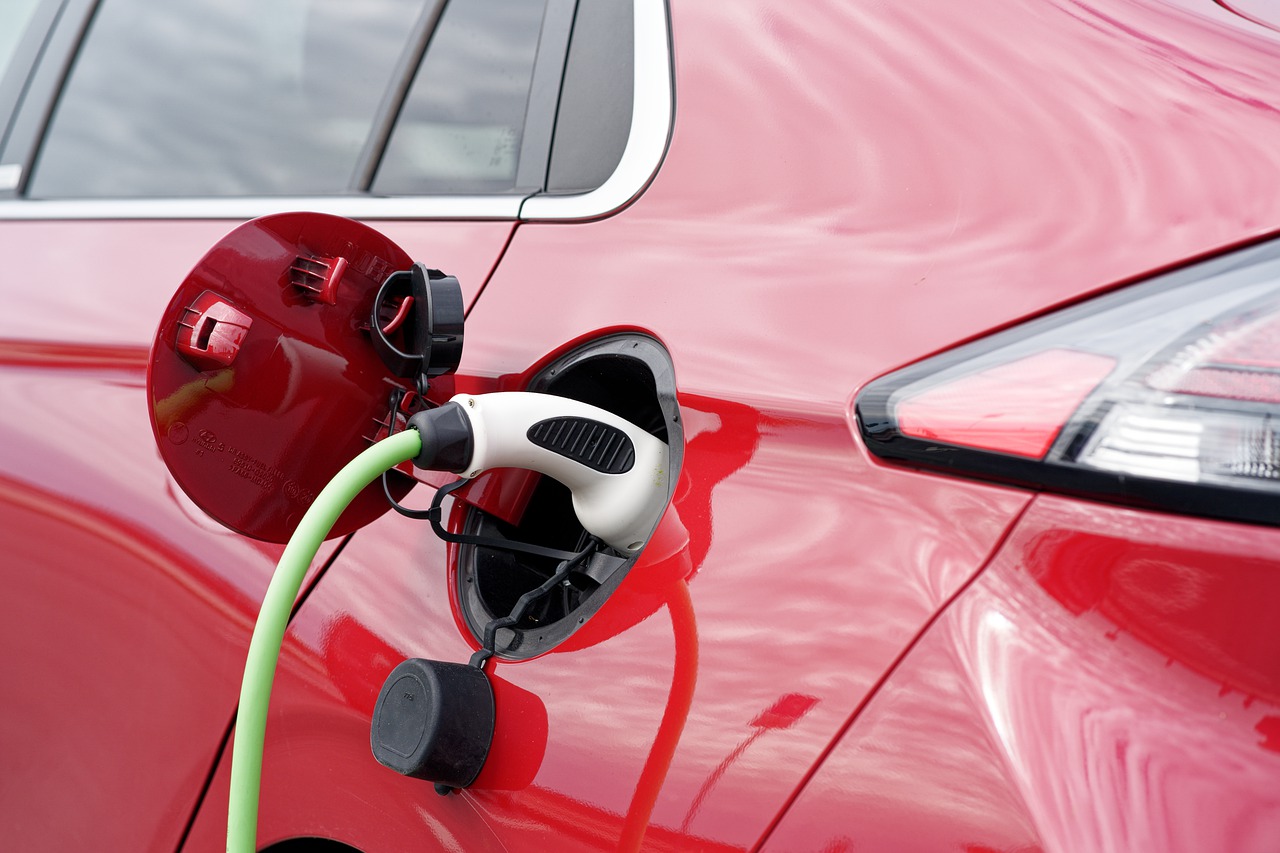
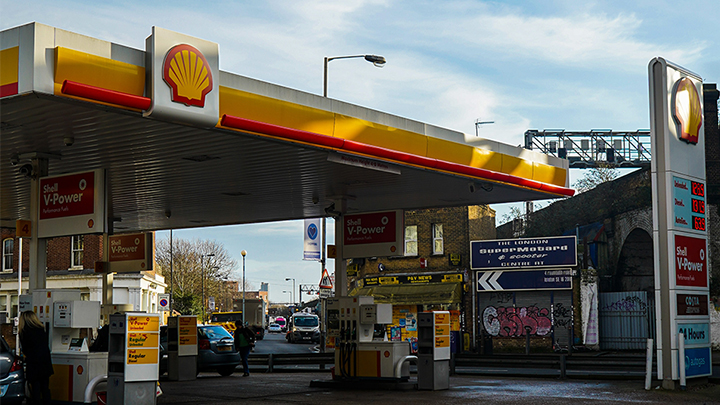
Several ride-hailing and motorcycle taxi platforms in the Philippines have begun reducing their commission rates in response to rising fuel prices, following discussions in a congressional hearing. Companies including JoyRide, Angkas, Move It, and Grab confirmed that they have lowered their commission cuts to help ease the financial burden on drivers affected by increasing fuel costs. Move It also introduced a graduated commission scheme starting at 15%, alongside additional support such as fuel vouchers to help drivers manage daily expenses. The company also introduced fuel discounts, rebates, and incentives, while exploring a shift toward electric vehicles to reduce long-term costs. Lawmakers have pushed for more structured policies, suggesting mandatory commission reductions during periods of high fuel prices to better protect drivers’ earnings. The move comes as fuel prices continue to rise, putting pressure on transport workers who rely on daily trips for income. JoyRide: 20% → 15% (can drop to 10% with incentives) Angkas: 20% → 15% (can go as low as 0% for active riders) Move It: Now starts at 15% (with fuel vouchers support) Grab: 20–21% → 18% Global oil prices are on the brink of reaching all-time high levels, as a result prices per liter of Gasoline, Diesel and Kerosene have been gradually rising for 8 straight weeks locally. Read more in our articles including "Ride-hailing apps cut commissions as fuel prices rise" and "Reasons why it's time to consider Hybrids and EVs".

Several ride-hailing and motorcycle taxi platforms in the Philippines have begun reducing their commission rates…
Apr 14, 2026
Global oil prices are on the brink of reaching all-time high levels, as a result…
Feb 24, 2022
Unless you’ve been living under a rock, one of the problems we’ve been dealing with…
Feb 19, 2022The following price list is an updated pricing for all of the latest cellphones from…
Jun 8, 2011In the recent study conducted by Audi, the German automaker proves that their synthetically-produced E-Fuel…
Feb 4, 2014
The Land Transportation Office (LTO) has raised concerns over the future of its Land Transportation…
Jun 21, 2026Several ride-hailing and motorcycle taxi platforms in the Philippines have begun reducing their commission rates in response to rising fuel prices, following discussions in a congressional hearing. Companies including JoyRide, Angkas, Move It, and Grab confirmed that they have lowered their commission cuts to help ease the financial burden on drivers affected by increasing fuel costs.
Move It also introduced a graduated commission scheme starting at 15%, alongside additional support such as fuel vouchers to help drivers manage daily expenses. The company also introduced fuel discounts, rebates, and incentives, while exploring a shift toward electric vehicles to reduce long-term costs. Lawmakers have pushed for more structured policies, suggesting mandatory commission reductions during periods of high fuel prices to better protect drivers’ earnings.
Our coverage of fuel prices includes: "Ride-hailing apps cut commissions as fuel prices rise"; "Reasons why it's time to consider Hybrids and EVs"; "The Philippines may experience an oil supply shortage soon". Each article provides unique insights and information.